Why Modern Interior Design is Moving Closer to the Ground– Big Bertha Original UK

Sale Ends In:

Why Modern Interior Design is Moving Closer to the Ground

Why Modern Interior Design is Moving Closer to the Ground
Oct 23, 2026

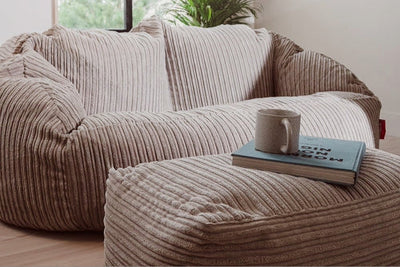
For years, living rooms have been built around the same familiar formula: a sofa on legs, an armchair or two, a coffee table and perhaps a footstool if there's room. But a different approach to furnishing our homes is gaining attention. Instead of filling rooms with tall, imposing furniture, designers are bringing seating closer to the floor.

It's called low-level living, and it offers more than a relaxed way to spend an afternoon.

Inspired by Japanese interiors, Moroccan lounges and the growing appetite for comfortable, informal spaces, this approach changes the way a room looks and feels. Furniture sits lower, sightlines open up, and the floor becomes somewhere to settle rather than simply a surface to walk across. For anyone trying to make a smaller living room feel more spacious, it's an idea worth exploring.

Why Lower Furniture Can Make a Room Feel Bigger

Here's an interesting thing about interior design: the way we perceive space isn't determined by square footage alone. Furniture proportions, sightlines and the amount of visible wall can all affect whether a room feels open or cramped.

A tall sofa with chunky arms and raised legs can create a strong visual block across the room. Lower seating leaves more of the wall visible above it, drawing the eye further across the space and making the ceiling appear higher by comparison.

This can be particularly useful in British homes, where living rooms aren't always generous in size. In a compact terrace or a modern flat, swapping a bulky armchair for a low-profile floor chair could help the room feel less crowded without changing its actual dimensions.

Of course, low furniture isn't an automatic fix for every small space. Oversized pieces can still overwhelm a room, even when they sit close to the ground. The trick is to balance the proportions, leave enough open floor space and avoid filling every corner simply because there's room for another cushion.

Japanese Interiors: Simplicity, Space and Purpose

Japanese interiors offer a useful starting point for understanding low-level living. Traditional rooms often make use of tatami flooring, low tables and floor cushions, with furniture arranged to support different activities without permanently defining every part of the room.

The appeal isn't simply that everything sits lower. It's the sense of intention behind the arrangement. Rather than treating furniture as something that must occupy every available space, the room is allowed to remain open and adaptable.

You can borrow that principle without attempting to recreate a traditional Japanese home. Start with a restrained colour palette, natural materials and a few carefully chosen pieces. Pale wood, linen, soft lighting and uncluttered surfaces work well alongside low seating.

Aya Floor Bean Bag Chair Replacement Cover - Cord 06

The Aya Japanese Style Low Bean Bag Chair in Cord Ivory is a natural fit for this look. Its low, leg-free design and softly structured back create a comfortable place to read, meditate or simply unwind. The ivory cord adds texture without introducing a heavy block of colour, making it particularly useful in smaller rooms where you want to maintain a light, open feel.

Position it beside a low wooden table, add a simple floor lamp and leave a little breathing room around the furniture. The result feels calm without being stark.

Moroccan Interiors: Low Seating With Plenty of Character

If Japanese-inspired interiors are often associated with restraint, Moroccan interiors show how low-level living can be rich, colourful and full of personality.

Traditional Moroccan seating arrangements frequently bring people together around low tables, layered rugs and generous cushions. The effect is informal and sociable, encouraging conversation rather than arranging everyone in a rigid line facing the television.

You can take inspiration from this approach without turning your living room into a themed space. A large patterned rug, textured fabrics, warm terracotta shades and a few decorative cushions can introduce the same inviting atmosphere.

Large Floor Cushion - Ultra Plush Cord Peach 01

The Large Floor Cushion in Ultra Plush Cord Peach would work particularly well here. Its warm peach tone brings softness to the room, while its low profile makes it useful for casual seating around a coffee table. Combine it with earthy colours, natural wood and a patterned rug for a contemporary take on the layered Moroccan look.

The important thing is to mix textures rather than rely on colour alone. Cord, woven textiles, wood and ceramics can give a room depth without requiring lots of additional furniture.

The Bean Bag Has Grown Up

Low-level living also challenges the idea that comfortable furniture must look formal to feel considered.

Bean bags are a good example. Once associated mainly with student bedrooms and children's playrooms, modern designs include structured floor chairs, relaxed loungers and sofa-style seating that can work in grown-up interiors.

Noah Floor Chair Bean Bag - Cord Navy 02

Take the Noah Floor Bean Bag Chair in Cord Navy Blue. Its low-profile silhouette suits a relaxed living room, reading nook or bedroom, while the navy cord introduces colour without dominating the scheme. Pair it with pale walls and oak furniture for a Scandi-inspired feel, or combine it with darker timber and warm lighting for something moodier.

Sloucher Bean Bag Chair 2.0 - Cord Mink 02

For a more generous lounging option, the Sloucher Bean Bag Chair 2.0 in Cord Mink brings a softer, more enveloping shape into the room. Mink is versatile enough to sit alongside creams, browns and muted greens, making it an easy choice for interiors built around natural, understated colours.

Both demonstrate how low-level furniture can be comfortable and visually cohesive rather than an afterthought.

Make the Floor Part of Your Living Space

One of the biggest changes with low-level living is how you use the space between pieces of furniture.

A conventional living room often has a fairly fixed arrangement, with seating around a coffee table and clear routes through the room. A lower arrangement can be more flexible. Floor cushions can move when guests arrive, a low table can double as a place for board games, and an open patch of floor can become somewhere to stretch, play or practise yoga.

A rug helps tie the arrangement together. Choose one large enough to anchor the seating, then introduce a low coffee table or a few smaller cushions to make the space feel intentional. If you have children or regularly entertain friends, lightweight seating can be moved around as needed.

Storage is worth considering, too. Low furniture works best when the room isn't crowded with things you don't use. A simple basket for throws, discreet shelving and a clear route through the space will help preserve that sense of openness.

Is Low-Level Living Right for Every Home?

Not necessarily. Sitting close to the floor won't suit everyone's mobility, comfort preferences or daily routines, and a conventional sofa may still be the better choice for a main family seating area.

You don't have to commit to an entirely floor-based interior to benefit from the look. Start with one corner, perhaps a reading nook or a casual seating area beside a window. Introduce a floor chair or cushion, lower the side table and see how the arrangement feels.

You can also combine different heights thoughtfully. A low lounge area alongside standard-height dining furniture can work well, provided each zone has a clear purpose and the room still feels balanced.

Ultimately, low-level living isn't about following a strict design rule. It's about rethinking how much furniture a room really needs, how people want to use it and how a little more open space can change the atmosphere.

A Different Perspective on Modern Living

Moving closer to the ground is a simple design shift with a surprisingly noticeable effect. Lower furniture can open up sightlines, make ceilings feel more generous and create a relaxed atmosphere that encourages people to spend time together.

Whether you prefer the quiet simplicity of Japanese-inspired interiors or the warmth and layered textures associated with Moroccan lounges, the principle is the same: make the room work around the way you want to live.

Start with one low-level piece, choose fabrics and colours that complement your existing décor, and resist the temptation to fill every spare inch. Sometimes, making a room feel bigger isn't about adding more. It's about giving the space a little room to breathe.